
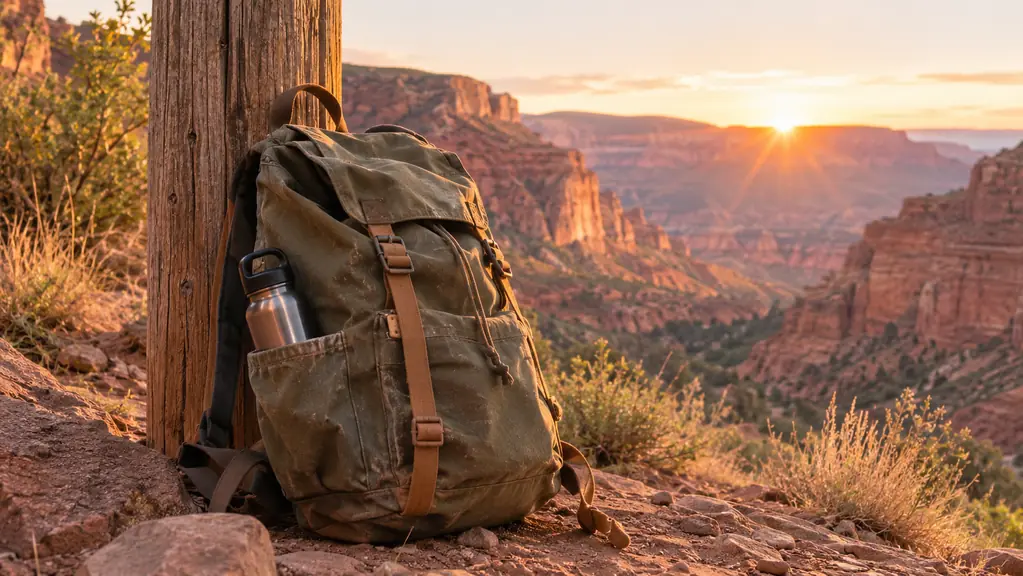
For most of my hiking life my pack held two bottles and nothing else. I would fill them at the sink in Henderson, drive out to Red Rock Canyon, and if the water ran out before the loop closed, that was my own fault for not packing more. Then Ray and I missed a junction on Mount Charleston one June morning and spent two extra hours walking downhill in the heat with one warm half bottle between us. I have carried a LifeStraw on every day hike since, and it has never once felt like clutter.
Day hikes are where people get sloppy, myself included. You leave the trailhead with a light pack and a plan, and the plan quietly assumes everything goes right. A filter weighs less than a granola bar and removes that assumption. Here are ten reasons I clip one into my pack before every 4 to 10 mile day, and the one situation where I still leave it at home.
The 1.62 Ounce Item That Ended My Water Math
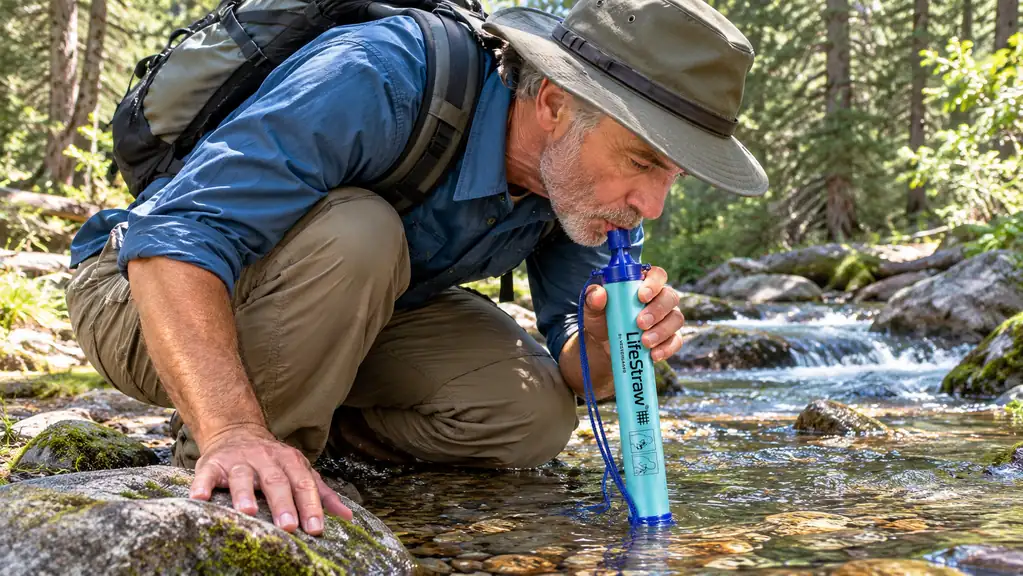
LifeStraw runs on nothing but suction. No battery, no pumping, no moving parts, and a listed capacity of 1,000 gallons. It has been in my pack for every weekend hike for years.
Amazon Check Today's Price on Amazon →One Straw Replaces the Third and Fourth Bottle
My old system was simple and heavy. Two bottles in the side pockets, a third inside the pack, and a mental countdown running all day. On a 4 mile loop at Red Rock Canyon that is fine. On the 8 and 10 mile days at Mount Charleston it is not, because water was most of what I carried. A filter lets me start with one bottle and refill wherever the trail crosses water, which took real weight out of my pack without costing me a single mile.
1.62 Ounces Off a Knee That Complains on Downhills
My left knee has opinions about long descents, and every ounce in the pack reports to it by mile eight. The LifeStraw weighs 1.62 ounces. A single liter of water weighs over two pounds, so the arithmetic is not close. Carrying less water and filtering as I go is easier on the joint that decides whether the last mile is enjoyable or just endured. Ray takes the heavier items. I take the filter and the snacks.
A Questionable Spring Becomes an Actual Water Source
There is a spring on one of my regular routes that I walked past for years without drinking from it. The hollow fiber membrane in this filter removes 99.999999% of waterborne bacteria and 99.999% of parasites, which is the difference between a landmark and a refill. I still use judgment out there. I do not drink from standing water with something dead in it, and no filter fixes a chemical spill upstream. But a clear moving spring went from scenery to water supply.
One Filter Covers Season After Season
The listed capacity is 1,000 gallons, which for a day hiker borders on ridiculous. I refill a bottle maybe twice on a long day, so mine has held up across several springs and summers of weekend hiking without needing to be replaced. I rinse it after a trip, let it air dry, and the flow has stayed steady. If you hike weekends and holidays like I do, you buy one and stop thinking about it for years.
Nothing to Charge the Night Before
I have forgotten to charge enough things in my life to know better than to trust a battery on a trail. This filter needs nothing. No electricity, no battery, no pumping, no parts to fail at the worst possible moment. It sits in the pack until I need it, and then it works because I sucked on it. For a hike that starts at 6 a.m. from a Henderson driveway, that kind of dependability beats any feature list.
It Turns a Wrong Turn Into an Inconvenience
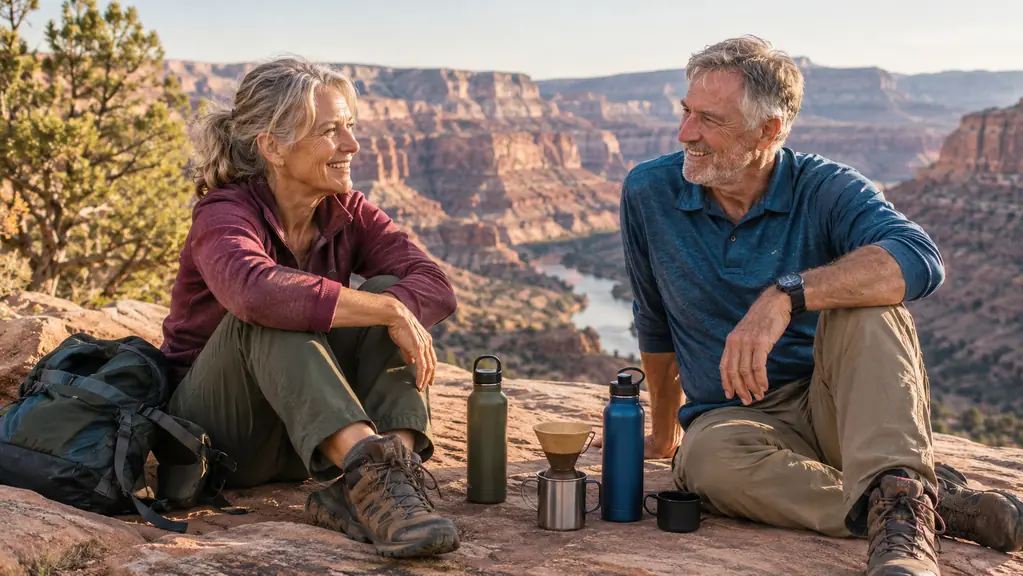
Ray and I missed a junction in June and added two hours to a hike we had planned around one full bottle each. That afternoon ended with us sharing warm backwash and walking slower than we needed to. Now the filter rides at the top of the pack. I do not expect to get lost. I expect a 6 mile day to become an 11 mile day through a closed trail, a slower pace, or one bad decision at a fork, and I would like that day to stay ordinary.
It Pulls Out Microplastics, Not Just the Grit You Can See
The visible stuff is the part you notice. The listing says the membrane removes microplastics down to 1 micron and reduces turbidity, which is the cloudy look that makes water unappealing even when it is fine. I will not pretend I can taste the difference in clear water. I can tell you that silty creek water comes through looking clean, and that is the version of the story I want in my head at mile seven on a hot afternoon.
Two People Can Share One Filter, With a Small Catch
Ray and I carry one between us, which is one less thing in his pack. The catch is pace. This is a personal filter, one mouth at a time, and sharing means waiting while the other person drinks. On a hot climb that wait is irritating. On a cool morning it is nothing. For 4 to 10 mile days with two adults, one filter and one spare bottle has been plenty. On bigger days I would carry two.
It Earns Its Place in the Kit You Hope Never to Open
Every pack should carry a few things you never want to use: a headlamp, a thin layer, a way to make water safe. Most emergency water options are bulky, chemical, or slow. This one is 1.62 ounces and needs no setup, so it stays in the pack between hikes instead of getting pulled out to make room for something else. The best emergency gear is the gear that is still there when the day goes sideways.
The Lightest Margin a Day Hiker Can Carry
I am 58 and I hike 4 to 10 miles at a time. I am not crossing the Sierra and I do not need an expedition setup. What I need is a small margin for the day that does not go to plan, and 1.62 ounces is a margin I will actually carry every single time. Day hikers get into trouble because the trip feels short enough to skip the preparation. A filter is the simplest way I know to stop skipping it.
What I'd Skip
I would skip the pump. I owned one for years and it was heavy, loud, and needed two hands and a flat spot on a creek bank, which a trail rarely offers. I would also skip the squeeze bag setup for day hikes, because the bags eventually leak and the whole thing takes more fiddling than a straw does. What I would not skip is the filter, and I would not skip learning its limits. This is a microbiological filter. It handles bacteria, parasites, and microplastics. It does not remove dissolved chemicals, heavy metals, or salt. If your home trails run past mining runoff or farmland, read the listing carefully and carry something built for that job instead.
A 6 mile day can become an 11 mile day through a closed trail, a slower pace, or one bad decision at a fork. The filter is what keeps that an inconvenience instead of an afternoon I would rather forget.
1.62 Ounces Is a Small Thing to Add to a Day Pack
Mine has ridden in the top of the pack for years of Red Rock and Mount Charleston weekends. No charging, no pumping, no reason to leave it in the car.
Amazon Check Today's Price on Amazon →