
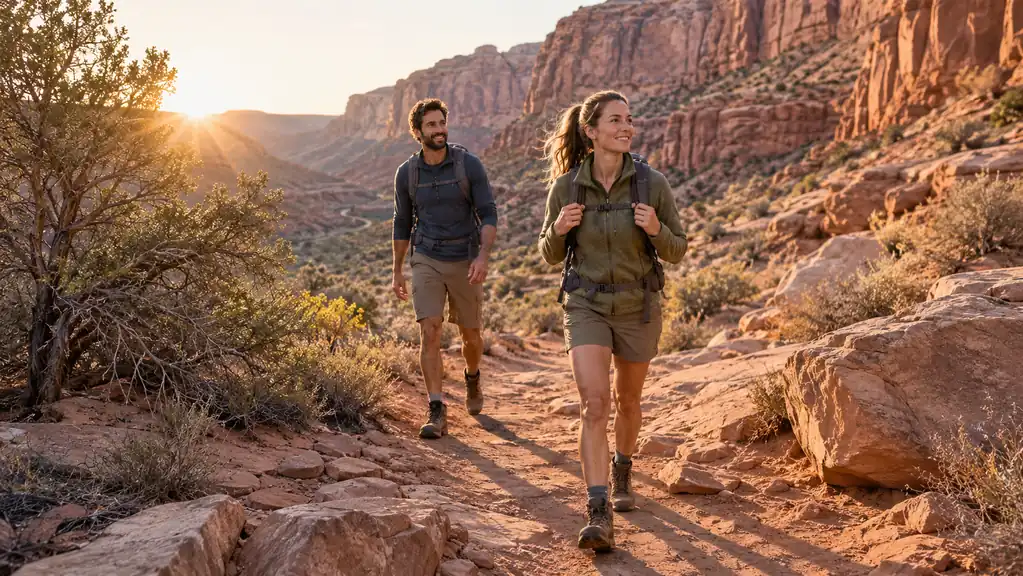
The bottle was lighter than it should have been. I knew it before I unscrewed the cap, the way you know a suitcase is empty by the way it swings. Ray and I were four miles in on the Sandstone Quarry side of Red Rock Canyon on a warm April morning, and when I tilted the bottle the water barely moved against the plastic.
That left maybe eight ounces between the two of us, four miles back to the silver Outback, and the sun climbing toward noon. This is the part the trail guides leave out. My left knee starts talking to me on long downhills, so a fast retreat was never on the table. We walked out slow, passing the bottle back and forth, and I spent the last mile doing arithmetic instead of looking at the canyon. It was a morning I had looked forward to all week, and I turned it into a math problem.
The fix, once I got home and stopped being annoyed with myself, was not a bigger bottle. It was a LifeStraw personal water filter. It weighs 1.62 ounces, about the same as the empty bottle I had been carrying. It needs no batteries, no pumping and no electricity. You put one end in the water and you drink through it.
I am 58, retired from a school office, and I hike four to ten miles at a time. I am not a gear person and I do not own a tent. But I dislike making the same mistake twice, and running dry four miles from the car was a mistake I could see coming the second time.
So the straw went into the top pocket of my pack and it has stayed there: the shaded loops at Mount Charleston, the weekend walks at Red Rock, the trip to Zion in September where the crowds alone could have worn me out. On most of those hikes I never touched it. That is not the point. It rides along for the one morning that is four miles long.
It needs no batteries, no pumping and no electricity. You put one end in the water and you drink through it.
Be the hiker who still has water at mile four
The LifeStraw Personal Water Filter weighs 1.62 ounces, runs on nothing at all, and lets you drink straight from a creek instead of rationing what is left in your bottle.
Amazon Check Today's Price on Amazon →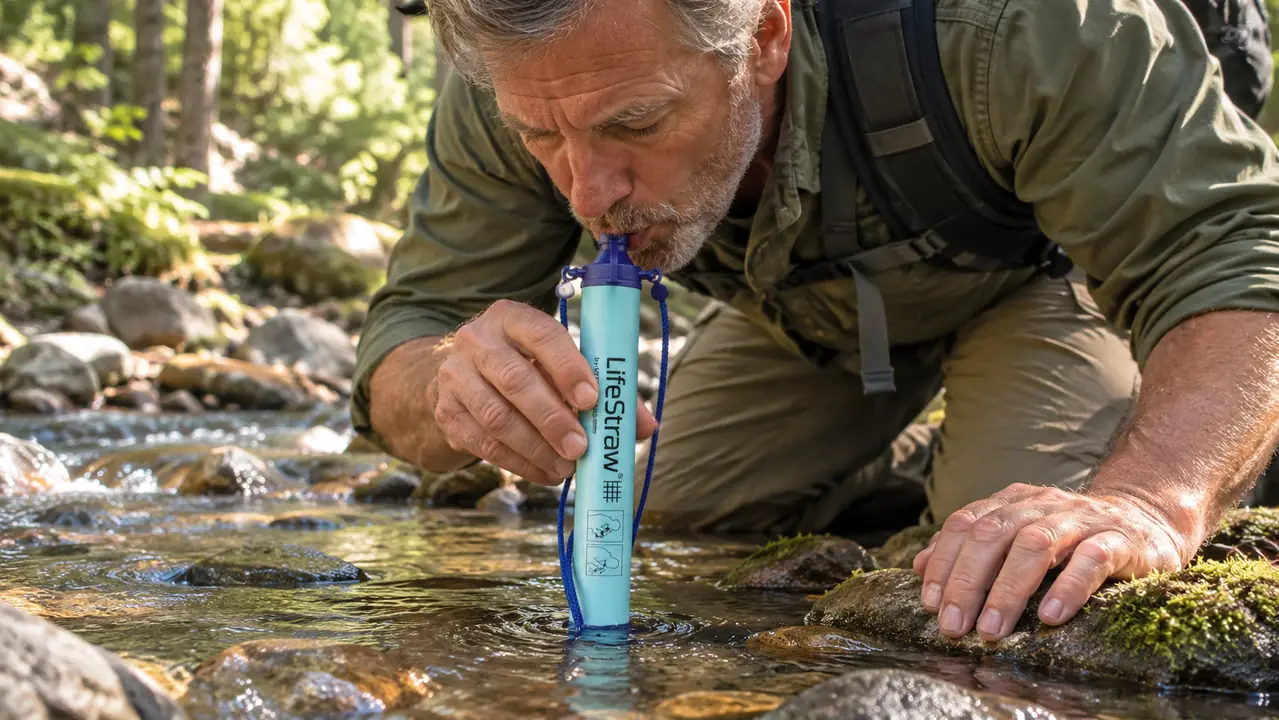
What the Filter Actually Does
It works with a hollow fiber membrane. The listing says it removes 99.999999% of waterborne bacteria, including E. coli and Salmonella, and 99.999% of parasites. It also removes microplastics down to one micron and reduces turbidity, which is the cloudy look that silty desert water gets after runoff.
What it will not do is make bad water good. I drink from moving water where I can see the bottom, not from a warm pool that has been sitting in the sun. A filter does not replace that judgment. The listing rates it for about 1,000 liters of water, and after a full season of day hikes I have not come close to using that up.
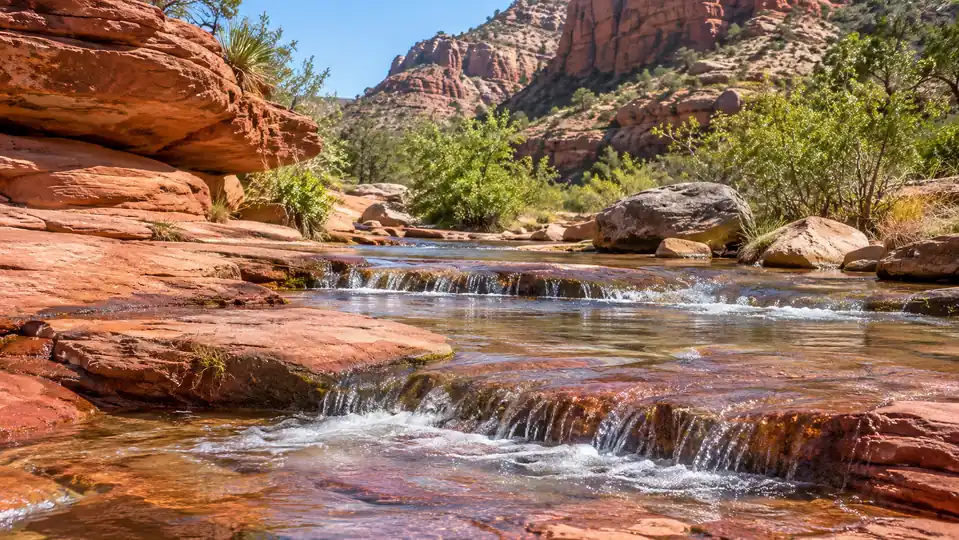
The first time I truly needed it was in October, on a loop off the Ice Box Canyon trail, at a small seep running over rock. I knelt, put the straw in, and drank. It tasted like cold water and nothing else. Ray had spent the whole summer pointing out that we were carrying a filter for an emergency we had not had. He stopped pointing it out after that.
An honest note: it is a straw, not a bottle. You lean down to the water, or you fill your bottle and drink from it there, and either way it takes two hands and a moment when you are standing still. On a windy ridge that is fiddly. If you want to drink while you walk, this is not the thing for that.
I have used it off the trail too. There was a campground faucet near Bryce that I did not trust and a rest stop spigot outside Kanab that tasted like a swimming pool. The straw is not a carbon filter, so it will not do anything about a chemical taste, but it handles what is living in the water, and that is the part that worries me.
I also checked the reviews before I ordered it, which is not my habit. It has more than 126,000 of them on Amazon and a 4.8 average. That is not proof of anything except that a lot of people have had the same small scare I had on the Sandstone Quarry trail.
I have a short routine at the trailhead now. Bottles filled, straw in the top pocket, and one look at the map for where water crosses the route. That last part takes thirty seconds, and it is the reason I know that the seep off Ice Box Canyon exists at all.
What I'd Tell You If We Were Sitting at My Kitchen Table
I would tell you that the water in your bottle is for the hike you planned, and the water in the creek is for the hike that happens instead. I would tell you to put the filter in your pack before you need it, because the day you need it you will be somewhere without a store. I would tell you that 1.62 ounces is a strange thing to argue with, and that the LifeStraw has earned its spot in my top pocket the boring way, by sitting there for two seasons and working the handful of times I asked it to.
Four miles from the car is a bad place to find out
One 1.62 ounce straw in the top pocket, no batteries to remember, and a way to drink from the next creek you cross. That is the whole idea.
Amazon Check Today's Price on Amazon →